Not sure which of the rockabilly hairstyles suits you? Start with the pompadour or ducktail for men, and victory rolls or short bangs for women. Each is a vintage shape you can build at home.
| Style | Key fact |
|---|---|
| Men’s pompadour | Worn by stars such as Elvis Presley and Johnny Cash |
| Ducktail | Originally developed by Joe Cerello in 1940 |
| Victory rolls | Most popular from 1940 to 1945 |
| Poodle cut | Hair permed into tight curls |
| Men’s hold products | Heavy use of Brylcreem or pomade |
Figures come from Wikipedia’s hairstyles in the 1950s and victory rolls pages. They can change, so check the sources before you rely on them.
These looks are one part of the wider rockabilly style, which also covers clothing and accessories.
Where rockabilly hair comes from
Rockabilly hair is not a single invention. It borrows from wartime glamour, 1950s teenage rebellion and the greaser culture around them.
The men’s high pompadour was a 1950s trend, especially among male rockabilly artists and actors. According to Wikipedia’s pompadour entry, the look was worn by early country, rock and roll, and movie stars such as Elvis Presley, Johnny Cash, Chuck Berry, Ritchie Valens, James Dean and Tony Curtis.
The same page says the style was tied to “rockabilly” culture in the 1980s, when people drawn to vintage late-1950s and early-1960s culture adopted it. The revival reinforced the hairstyle’s association with rockabilly.
Men’s rockabilly hairstyles
Most men’s looks share one idea: hair kept long on top and sides, then shaped with a strong, shiny product. The main options are:
- Pompadour: a tall, swept-back front with the sides combed close.
- Quiff: hair swept upward at the front.
- Ducktail: long sides combed back to meet in a centre line at the rear.
- Slicked-back comb-over: the plainest option, and the easiest to start with.
Wikipedia’s 1950s hairstyles page says Elvis Presley and James Dean had a great influence on the high quiff-pompadour, greased up or slicked back with heavy use of Brylcreem or pomade. A water-based or oil-based pomade is the practical modern way to get that hold.
The ducktail
The ducktail is also called the duck’s ass, the D.A. or the duck’s tail. The same page says it was originally developed by Joe Cerello in 1940.
The back is parted with the tooth edge of a comb, running from the crown to the nape. To many people that resembled the rear end of a duck, and the sides were styled like folded wings, often with heavy sideburns.
The page describes the ducktail as a symbol of youthful rebellion in English-speaking countries during the 1950s. High school authorities often frowned on it.
Putting a men’s look together
Hair is just a part of the look. For clothes to match, read our guide to rockabilly fashion men. If the pompadour is your target, the step-by-step is in how to style a pompadour, which suits that look in detail.
Why the ducktail and pompadour meant rebellion
Hair has always been a quiet way to say who you are. For many teenagers of the era, a greased-up shape said they were not following the neat, short style their parents and teachers expected.
In the 1950s, hair was a way for young men to signal where they stood. The 1950s page says teenage boys wore crew cuts, while the more rebellious among them favoured “greaser” comb-backs.
That is why the ducktail carried weight beyond looks. The same page says high school authorities often imposed limits on male hair length as part of their dress codes, yet the style was widely copied by men of all ages.
There was also a regional variant. “The Detroit” combined the long back and sides of the ducktail with a flattop.
If you want an authentic feel, keep these points in mind:
- Shape matters more than height: a clean line at the sides makes any lift look deliberate.
- Shine is part of the look, so choose a product that gives a glossy finish.
- Heavy sideburns often accompanied the ducktail and are an optional period detail.
Women’s rockabilly hairstyles
Women’s rockabilly hair leans on pin-up shapes. The most recognisable are victory rolls, but the next decade added bangs, curls and ponytails.
Victory rolls form large loops beside or above the head, with their openings pointing forward. The page says they were most popular during 1940 to 1945, in World War II, and that the creator is unknown.
Several theories explain the name. One links it to the aerobatic manoeuvre of planes spinning horizontally as a sign of victory or celebration. A separate theory about the style’s adoption links it to factory workers’ need to secure loose hair around machinery.
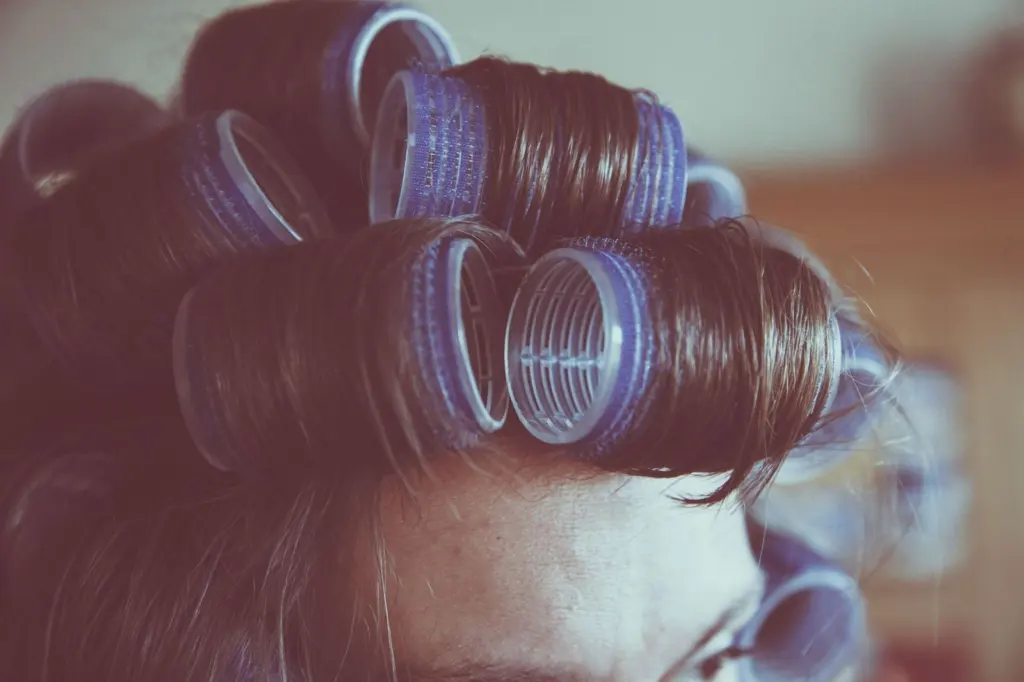
The rolls are closely associated with pin-up models. The styling process combines teasing, shaping curls and securing them with pins.
Other period shapes
- Ponytail: Wikipedia says teenage girls around the world wore their hair in ponytails.
- Poodle cut: hair permed into tight curls, similar to a poodle’s curly hair.
- Short bangs: a popular fringe detail worn with the poodle cut.
Short, tight curls with a poodle cut were favoured by women such as first lady Mamie Eisenhower. Modern rockabilly fans often pair a victory roll or a curled fringe with a scarf or a bandana. The shapes are flexible, so you can wear one roll or two, or keep the rest of the hair loose.
How to choose the right look
The right pick depends on how much time you want to spend each morning. A slicked-back comb-over takes minutes, while a full pompadour or a pair of rolls takes practice.
It also depends on the occasion. A gig, a car show or a dance night all reward a bolder shape, while a workday suits a softer quiff or a single curled fringe.
Match the style to your hair and the time you have. Thick, straight hair holds a pompadour or rolls well. For fine hair, start with a small amount of product and adjust as needed.
- Pick a single signature element: a front lift, a roll, or a curled fringe.
- Test it at home before an event, not on the morning of one.
- Choose a product that suits the hold you want, then wash it out fully each night.
- Keep the rest simple, so the shape stays the star.
Frequently asked questions
What is the most classic men’s rockabilly hairstyle?
Show answer
The pompadour is the best-known. Wikipedia describes it as a 1950s trend, especially among male rockabilly artists and actors.
Are victory rolls really rockabilly?
Show answer
They are a 1940s style, most popular from 1940 to 1945, but they fit rockabilly through pin-up fashion and the vintage revival.
What do you use to hold a pompadour?
Show answer
The 1950s look relied on heavy use of Brylcreem or pomade, according to Wikipedia. Modern pomades do a similar job.
What is a ducktail?
Show answer
A men’s cut with the sides combed back to a centre line at the rear, resembling a duck’s rear end. It was originally developed by Joe Cerello in 1940.