
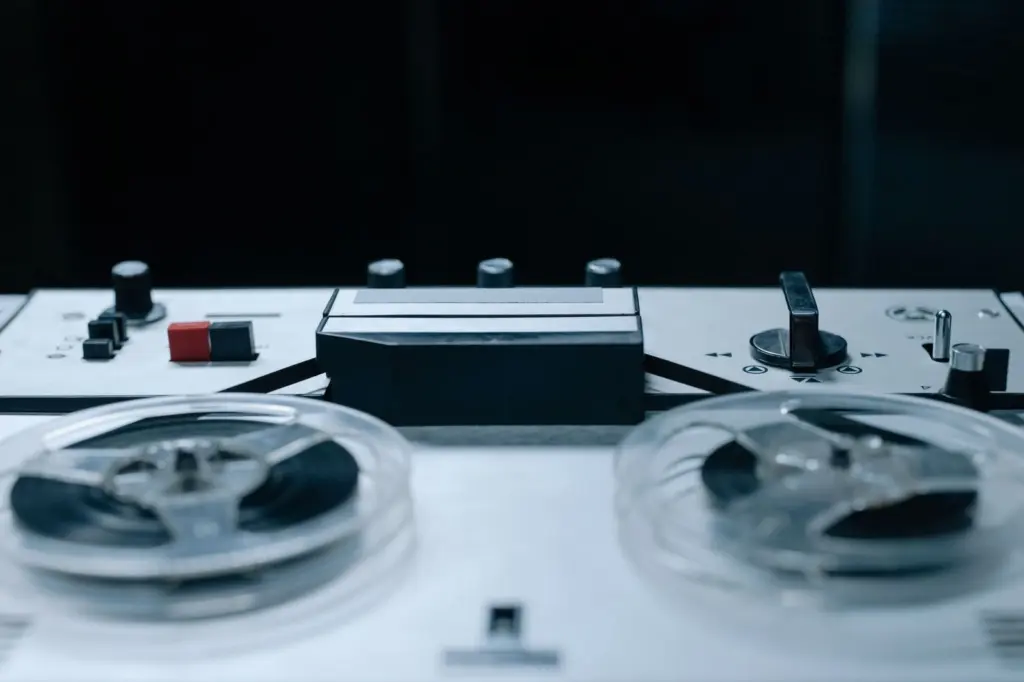
Wondering where rockabilly really began? Sun Records history is central to the answer: the Memphis label played an important role in rockabilly’s development, bringing country and rhythm and blues together.
This story sits inside the wider rockabilly history of the genre.
| Item | Value |
|---|---|
| Memphis Recording Service opened | January 3, 1950 |
| Studio address | 706 Union Avenue, Memphis |
| Price paid for Presley’s contract (RCA Victor) | $40,000, in 1955 |
| Million Dollar Quartet jam | December 4, 1956 |
| Sun Records sale to Primary Wave | $30 million, January 28, 2021 |
These figures come from the Wikipedia article on Sun Records. Details like prices and dates can change or be revised, so check the source before you rely on them.
Where Sun Records started
Memphis Recording Service began operating at 706 Union Avenue on January 3, 1950, with Sam Phillips running the studio. Financial support came from record executive Jim Bulliet, for whom Phillips had previously searched for talent.
The building mattered more than its size. Sun Records shared the same building as Sun Studio, which was formerly the Memphis Recording Service, so the label and the studio grew up under one roof.
Before Sun existed as a label, Phillips worked as a kind of freelance producer. He recorded local artists and passed the results to other companies, an approach that taught him what Memphis musicians could do and what bigger labels would pay for.
- A small recording room that attracted local musicians.
- A preference for rough, live-sounding takes over polish.
- A mix of Black and white artists in the same building, which was unusual for the time.
The early hit that helped fund a label
Phillips used some of the proceeds from an early successful recording to establish Sun Records.
It also shows how Phillips found talent. Phillips hired Ike Turner to recruit musicians through his Delta blues contacts; Turner also took on production work.
Phillips’s sessions benefited from Turner’s introductions to musicians including Roscoe Gordon, Little Milton, Howlin’ Wolf, Bobby “Blue” Bland and Billy “The Kid” Emerson. That blues and rhythm and blues foundation is half of the recipe that rockabilly would later mix with country.
Phillips’s relationships with larger labels were not smooth. By 1952, Phillips was at odds with both Chess and Modern Records. Running his own label gave him control that selling masters never did.
The artists who made Sun a rockabilly name
Sun launched the recording careers of Elvis Presley, Carl Perkins, Johnny Cash and Jerry Lee Lewis. Together they turned a regional studio into the best-known address in early rockabilly.
Each artist brought something different, and that variety is why Sun’s catalogue still sounds distinct:
- Elvis Presley: a singer who crossed country phrasing with blues feel. For a closer look at his earliest recordings, read about the elvis sun sessions.
- Carl Perkins: a guitar-playing songwriter whose country roots drove the rhythm.
- Johnny Cash: a deep-voiced storyteller with a spare, steady backbeat.
- Jerry Lee Lewis: a wild pianist who proved rockabilly was not only a guitar sound.
Rockabilly itself drew on older country styles too. If you want that backstory, the notes on hillbilly boogie origins explain how country players had already started borrowing a boogie beat.

Selling Elvis and the Million Dollar Quartet
Facing financial pressure in 1955, Sun sold RCA Victor Presley’s contract for $40,000.
That sale made Presley a national star on a bigger label, and it gave Sun cash to keep working. Whether it was a good bargain is still debated by fans, but the money did keep the label going.
A year later the studio saw one of its most famous nights. On December 4, 1956, Carl Perkins, Johnny Cash and Jerry Lee Lewis gathered round Elvis Presley at the piano for an impromptu jam in Sun’s one-room sound studio, the “Million Dollar Quartet.”
The photograph inspired the tribute Million Dollar Quartet (2008). The picture became shorthand for the whole Sun story: four young stars in one small room.
Why this mix of sounds mattered
The sources above point to a simple pattern: Phillips recorded blues and rhythm and blues artists first, then went on to record country-rooted young players. Rockabilly grew in the space between those two groups.
That is a reading of the facts, not a rule, and music historians weigh it differently. Still, the pattern helps explain why Sun’s catalogue sounds so varied. A blues scout such as Ike Turner and a country-leaning singer such as Elvis Presley were both welcome in the same room.
Three ideas are worth keeping in mind when you read about the label:
- Money shaped the story. A hit funded the label, and a contract sale kept it afloat.
- Scouting shaped the sound. Turner’s connections brought in a run of blues names.
- Place shaped the legend. One address on Union Avenue ties together nearly every name in this story.
Fans of the style often treat Sun as a starting line. A fairer view is that it was one important meeting point in a larger scene, and the artists who passed through it carried the sound well beyond Memphis.
What Sun’s legacy means today
Sun’s influence is easy to measure in sound rather than sales. Slap-back echo, lean bands and a live feel became part of what listeners expect from rockabilly, and bands today still chase that tone.
The catalogue has also stayed valuable. Primary Wave’s $30 million purchase of Sun Records on January 28, 2021, included master recordings by Johnny Cash and Jerry Lee Lewis, according to the report linked from Wikipedia.
Reissues, tribute shows and the studio’s own place in Memphis keep the story in front of new listeners. The label name itself has become shorthand for a particular kind of spare, energetic recording.
If you are listening for the first time, start with the artists above and follow the thread outward. You will hear country, blues and rhythm and blues pulling against each other in every track.
- Pick one Sun artist and listen to their earliest recordings.
- Compare them with a blues or country record from the same period.
- Listen for what Phillips kept in: the echo, the rough edges, the live feel.
Frequently asked questions
Who founded Sun Records?
Show answer
Sam Phillips founded Sun Records in Memphis. He had opened the Memphis Recording Service studio at 706 Union Avenue on January 3, 1950.
Which stars did Sun Records discover?
Show answer
Among the artists whose recording careers began at Sun were Elvis Presley, Carl Perkins, Johnny Cash and Jerry Lee Lewis.
Why did Sun sell Elvis Presley’s contract?
Show answer
Money was tight, so the label sold Presley’s recording contract to RCA Victor in 1955. The table above gives the price.
What was the Million Dollar Quartet?
Show answer
It was an impromptu jam on December 4, 1956, at Sun’s studio with Perkins, Cash, Lewis and Presley.