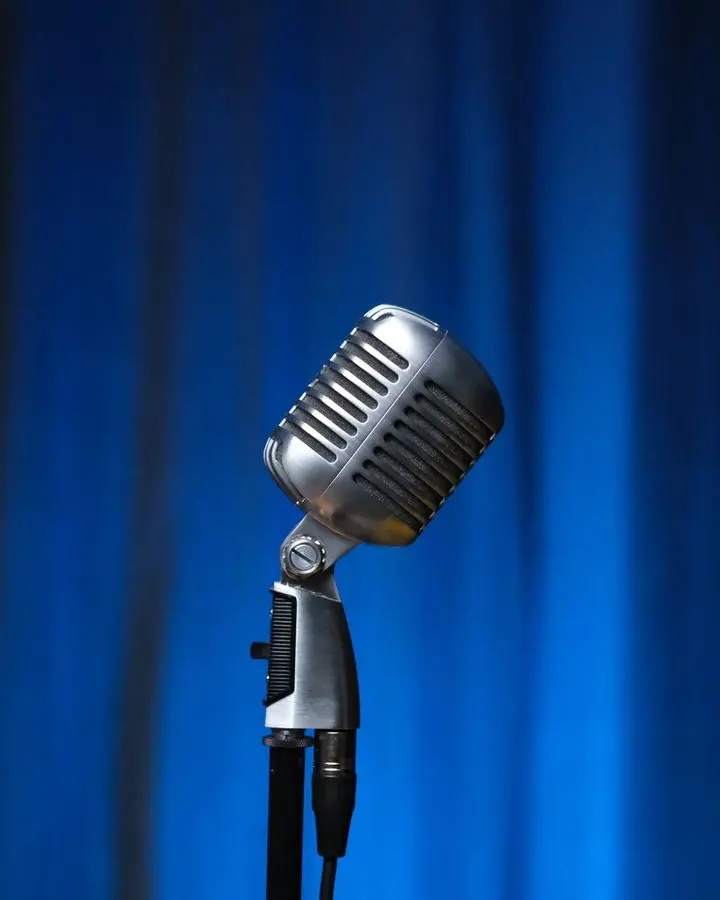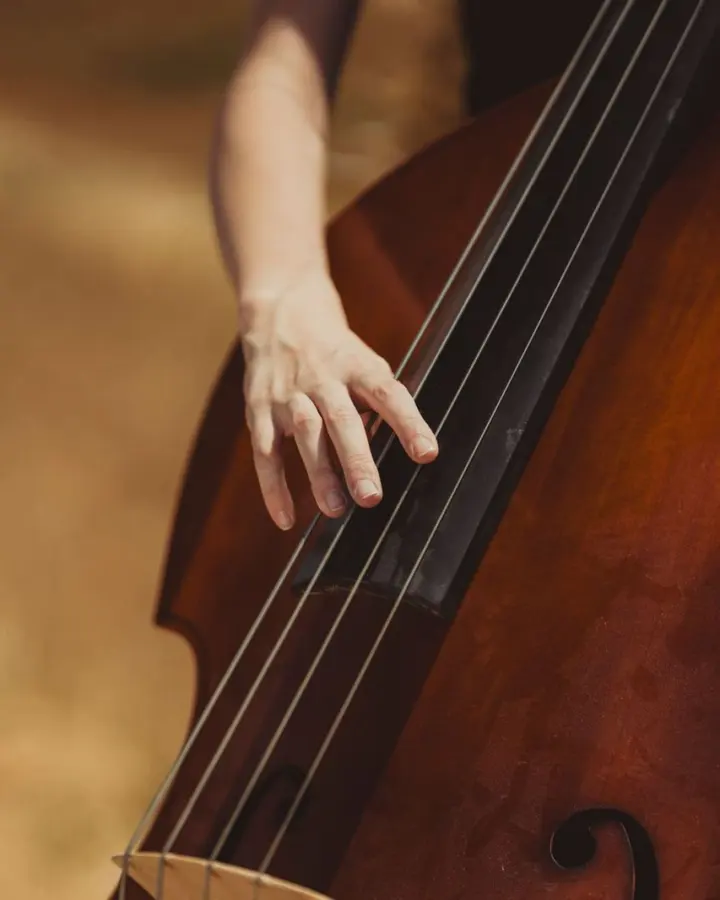

Wondering where that slapping bass and twangy guitar came from? Rockabilly history starts in Memphis, when country singers met rhythm-and-blues, and it has kept coming back ever since.
| Milestone | Value |
|---|---|
| Sun Record Company established | 1952 |
| Presley’s Sun recordings with Moore and Black | 1954 |
| Gene Vincent records “Be-Bop-a-Lula” in Nashville | May 4, 1956 |
| Capitol single F3450 released | June 1956 |
| “Be-Bop-a-Lula” enters the Grammy Hall of Fame | 1999 |
Figures come from the Tennessee Encyclopedia and Wikipedia’s Be-Bop-a-Lula article. Dates and details can change or be disputed, so check the source before you rely on them.
What is rockabilly, and where did it come from?
Rockabilly is one of the earliest styles of rock and roll. The name itself tells the story: “rock” from rock and roll, “billy” from hillbilly, the old label for country music. It is a fusion of country, blues and rhythm-and-blues, played fast, lean and loud.
The classic sound is simple to describe. An upright bass is slapped hard, an electric guitar plays sharp, twangy lead lines, and the drums stay spare. A vocalist then sings with a hiccup, a growl or a yelp, usually through heavy tape echo.
The roots go back before the name. Country players before Sun were already speeding up their rhythms and borrowing blues phrases, a story told in more detail in our piece on hillbilly boogie origins. Rockabilly took that restless energy and added a teenage attitude.
If you want to hear what the genre sounds like rather than how it began, our guide to rockabilly music covers the instruments and the songs.
Wikipedia’s rockabilly entry describes a blend of country with rhythm and blues, and calls the word a portmanteau of “rock” and “hillbilly”. It lists other influences: Western swing, boogie-woogie, jump blues and electric blues. The entry highlights rhythmic drive, piano boogie, distinctive vocals and tape echo.
The same entry traces one thread back to a boogie craze that blues pianists such as Albert Ammons, Meade Lux Lewis and Pete Johnson launched across the country starting in 1938. Country artists including Moon Mullican, the Delmore Brothers, Tennessee Ernie Ford, Speedy West, Jimmy Bryant and the Maddox Brothers and Rose then began recording what was known as “hillbilly boogie”. The entry also identifies the fast tempos of early-1950s bluegrass as a possible influence.
So the ingredients were already on the table before the label existed. Here is how the main strands break down:
- Country gave it the song structures, the guitar twang and the vocal drawl.
- Blues and rhythm-and-blues gave it the backbeat, the feel and the attitude.
- Gospel and pop shaped the harmonies and the showmanship.
Memphis and the Sun Records story
Memphis was a crossroads. The Wikipedia entry also highlights Bob Wills and his Texas Playboys, whose Western swing brought jazz instrumentation into country music.
Memphis became a major centre of rockabilly.
There, producer Sam Phillips was already recording blues and rhythm-and-blues artists such as Howlin’ Wolf and Rufus Thomas, according to the Tennessee Encyclopedia’s entry on rockabilly.
That same source says Phillips set up the independent Sun Record Company in 1952. He then went looking for a white singer who could perform with the same feeling as the Black blues vocalists he admired. Phillips was also aware of the segregated circumstances of American popular music, and that awareness shaped his search.
Sun was small, scrappy and willing to experiment. A tiny studio, a producer who loved raw takes and a steady supply of local country boys made for a lucky mix. The full label story is in our sun records history page.

1954: Elvis and the sound that got named later
The Tennessee Encyclopedia says that in 1954 Elvis Presley, guitarist Scotty Moore, bass player Bill Black and Phillips combined rhythm-and-blues, black and white gospel, pop and country in a synthesis that was only later labeled rockabilly.
The same entry says Phillips released five Presley recordings. After eighteen months the singer left Sun, signed with RCA Victor, appeared on national television and moved into films. The short Sun period is covered in our look at the elvis sun sessions.
The encyclopedia adds that Presley’s success as a country singer who performed rhythm-and-blues opened the door for other singers to seek commercial success. Phillips, it says, would not have to look hard for other potential rockabilly stars.
Presley moved on to a wider career, and his later work is not easy to classify. The Sun recordings, though, remain the reference point that later bands tried to match.
The first wave: Perkins, Vincent, Jackson and the rest
Presley’s departure left room for others. Each of the best-known names brought a different flavour to the same basic recipe.
Carl Perkins and “Blue Suede Shoes”
According to Wikipedia’s Carl Perkins article, Perkins wrote “Blue Suede Shoes” in the autumn of 1955, inspired by seeing a dancer get angry with his date for scuffing up his shoes. The rockabilly entry gives the recording date as December 19, 1955, at Sun Records in Memphis.
The Perkins article says Presley left Sun for RCA in November 1955, and Phillips told Perkins, “You’re my rockabilly cat now”. Released by Sun on January 1, 1956, the single became the label’s first million-seller.
The article quotes Charlie Daniels praising Perkins as an especially consistent representative of rockabilly. The article adds that the Beatles covered the B side, “Honey Don’t”.
Gene Vincent and the Blue Caps
Vincent’s route was different. According to Wikipedia’s Gene Vincent article, he formed Gene Vincent and His Blue Caps, a name that nods to enlisted sailors in the U.S. Navy. His musical influences included country, rhythm and blues, and gospel.
The article calls his 1956 top-10 hit with the Blue Caps a significant early example of rockabilly. The article places all three of his US top-40 hits in 1956–1957 and reports no subsequent top-100 entries. It also says he was inducted into the Rock and Roll Hall of Fame and the Rockabilly Hall of Fame.
Wanda Jackson
Jackson’s career shows how the style opened to women. Per Wikipedia’s Wanda Jackson article, she toured with Elvis Presley, and the two briefly dated. It says Presley encouraged her to record in the rockabilly style.
According to the article, Jackson’s 1956 Capitol deal allowed her to work in country and rockabilly. Her Capitol recordings included “Fujiyama Mama” and “Mean Mean Man”; “Let’s Have a Party” reached the top 40. She later made The Party Ain’t Over with Jack White, after entering the Rock and Roll Hall of Fame in 2009.
“Be-Bop-a-Lula” in detail
- Carl Perkins turned a dancer’s quarrel over scuffed shoes into a hit. His signature song is the subject of our page on carl perkins blue suede shoes.
- Gene Vincent brought a darker, more menacing edge, with echo-drenched vocals and a band called the Blue Caps.
- Wanda Jackson showed that a woman could sing rockabilly as fiercely as any man. Our profile of wanda jackson queen of rockabilly tells her story.
The clearest example of the style at its peak is Vincent’s hit. According to Wikipedia’s article on the song, Capitol Records was looking for a young singer to rival Elvis Presley. Capitol invited Vincent to record “Be-Bop-a-Lula”, and it was recorded at the Bradley Studios in Nashville, Tennessee on May 4, 1956.
The same article says the song was released in June 1956 on Capitol’s single F3450 and sold well immediately. It also quotes Richie Unterberger of AllMusic saying the track “epitomized rockabilly at its prime in 1956”. In 1999 the 1956 Capitol recording was inducted into the Grammy Hall of Fame. More on the record and its singer is in gene vincent be-bop-a-lula.
Going national
The rockabilly entry says that through most of 1955, Cash, Perkins, Presley and other Louisiana Hayride performers toured Texas, Arkansas, Oklahoma, Louisiana and Mississippi. The entry identifies growing use of drums as a distinction between rockabilly bands and contemporary country performers. It adds that Perkins and Presley in particular competed as the premier rockabilly artists.
The same entry has a section headed “Rockabilly goes national: 1956”. In March 1956, it says, Columbia released “Honky Tonk Man” by Johnny Horton. The entry dates Jerry Lee Lewis’s debut release to December 22, 1956.
Notice the geography. The sound that began in Memphis was soon being recorded in Nashville for a major label.

Why the first wave faded
Vincent’s own chart record is a good example. As noted above, Wikipedia says he had three top-40 hits in the US in 1956 and 1957 and then never charted in the top 100 again. Presley, meanwhile, had left Sun for RCA Victor after eighteen months and become a film star.
The pattern repeats across the genre: a burst of brilliant records, a quick move to bigger labels and a fast-changing market. That is why the Sun-era catalogue feels so compact.
Rockabilly did not disappear overnight, but it stopped being the sound of the charts. Several forces pulled in different directions.
- Tastes moved on, and new styles of rock and pop took over radio.
- Many of the original players moved into country, pop or other work, or kept touring on a smaller scale.
The music itself never went away. It lived on in small clubs, in record collectors’ hands and in the influence it had on the guitar-based bands that followed.
That influence is easy to underrate. A great deal of later rock leaned on the lean, driving, band-in-a-room feel that Sun-era players had worked out.
The revival: from Teddy Boys to MTV
Decades later, young players rediscovered the old records. The result was a revival, covered in our page on the rockabilly revival 1980s.
The band most tied to it is the Stray Cats. According to Wikipedia’s Stray Cats article, the American rockabilly band was formed in 1979 by guitarist and vocalist Brian Setzer, double bassist Lee Rocker and drummer Slim Jim Phantom.
The same article says that when the Cats heard a rumor of a revival of the Teddy Boy youth subculture in England, the band moved to the UK. The article credits them with helping lead the revival by adding punk influences to a sound inspired by Sun recordings. The full story is in our stray cats history page.
The article says the group’s style was based upon the sounds of Sun Records artists and other artists from the 1950s. It names Eddie Cochran, Carl Perkins, Gene Vincent and Bill Haley and His Comets as heavy influences. The article describes their wardrobe as a mixture of vintage rockabilly fashion and punk clothing.
With Edmunds’s involvement, the band made its debut album, which Arista issued in Britain in 1981. That year they had three hits with “Runaway Boys”, “Rock This Town” and “Stray Cat Strut”. After the first two albums sold well, EMI America selected material from both for the 1982 US release Built for Speed.
Two features of the revival:
- Fashion was part of the revival. The Stray Cats mixed rockabilly clothing with punk styles.
- It was self-aware. Players knew the old records and chose to copy and update them, often mixing in punk speed and attitude.
The look that came with the music is its own subject, and our page on rockabilly style covers it.

Rockabilly today
The revival did not end the story. The Wikipedia article lists the Stray Cats as active in 1979 to 1984, 1986 to 1993, 2004 to 2009, and from 2018, with Setzer, Rocker and Phantom in each run. That pattern of breaking up and returning suits the genre as a whole.
The genre has also spawned offshoots. Wikipedia’s rockabilly infobox lists psychobilly and gothabilly as fusion genres, and garage rock and country rock among related forms. That shows how far the basic recipe has travelled from Memphis.
Rockabilly now exists as a small but loyal international scene. Bands play it as a living style instead of a museum piece, and fans keep the fashion and the dancing going.
If you are new to it, here is a simple path through the history:
- Start with the Sun-era records to hear where the sound began.
- Move to Perkins, Vincent and Jackson for the first-wave range.
- Finish with the Stray Cats to hear how a new generation heard it.
Each step shows the same idea: take country and blues, speed them up, and play with conviction.
Frequently asked questions
Where did rockabilly start?
Show answer
It started in the American South, with Memphis and Sun Records at the centre. The Tennessee Encyclopedia says the Sun Record Company was set up in 1952.
Who invented rockabilly?
Show answer
No single person did. The Tennessee Encyclopedia says Presley, Scotty Moore, Bill Black and Sam Phillips combined several styles in 1954 in a synthesis later labeled rockabilly.
What was the first rockabilly revival band?
Show answer
The Stray Cats are the best-known name. Wikipedia says they formed in 1979 and spearheaded the revival after moving to England.
Is rockabilly the same as rock and roll?
Show answer
Not exactly. Wikipedia calls rockabilly one of the earliest styles of rock and roll. It is a country-flavoured branch with strong rhythms, vocal twangs and tape echo, and it is the source of what the entry calls “classic” rock and roll.
Who had the first million-selling Sun record?
Show answer
Carl Perkins. Wikipedia says “Blue Suede Shoes”, released on January 1, 1956, was the first record by a Sun artist to sell a million copies.