
Wondering what rockabilly music actually is? It is early rock and roll with a country heart: twangy guitar, slapping upright bass, a driving beat and a hiccuping vocal. This guide gets you started.
| Item | Value |
|---|---|
| Sun Record Company founded by Sam Phillips | 1952 |
| Presley, Scotty Moore and Bill Black combine styles for Phillips | 1954 |
| Presley recordings Phillips released on Sun | Five |
| Time Presley spent at Sun before moving to RCA Victor | Eighteen months |
| Typical line-up described for the style | Three to four musicians |
These figures come from the Tennessee Encyclopedia and History of Rock. Details can change as research develops, so check the sources before you rely on them.
What is rockabilly music?
Rockabilly is the first outburst of rock and roll, built from southern roots. The Tennessee Encyclopedia presents rockabilly as an early phase of rock and roll that brought together several southern musical traditions.
The name is a blend of “rock” and “hillbilly”. The first half points to the beat and attitude, the second to the country and string-band music that many early performers grew up hearing.
History of Rock traces rockabilly to country and bluegrass alongside blues and religious music traditions. That is a long list of ingredients, yet the finished sound is lean and simple.
Why people love it
Rockabilly sounds alive. The records feel like a band playing in one room, with the singer grinning at the microphone and the bass player slapping away behind him. There is very little polish, and that is the charm.
It is also music made for movement. The tempo is lively without being frantic, so it suits dancing, driving and general good moods. Whether you are a longtime fan of classic rock or you have never heard a slap bass, the pulse of the music is easy to feel straight away.
Finally, it is a gateway. Follow the thread backwards and you reach country, blues and gospel. Follow it forwards and you reach punk, psychobilly and countless modern revivals. Few genres connect so many styles in such a compact form.
The sound in a nutshell
History of Rock describes a small ensemble of three or four players supporting a forceful solo singer, with brisk rhythms, acoustic and electric guitars, upright bass and occasional recording echo. In practice, that gives you a checklist you can listen for:
- A lead guitar playing bright, twangy single-note lines.
- An acoustic rhythm guitar keeping the chords moving.
- An upright bass that is slapped and snapped rather than gently plucked.
- Minimal drums, or none at all on the earliest records.
- A lively vocal with plenty of echo.
- Short songs about cars, dancing, girls and trouble.
For a deeper checklist, see our breakdown of rockabilly characteristics.
Where rockabilly came from
The story starts in the American South, and Memphis in particular. Sam Phillips set up his independent label, and the Tennessee Encyclopedia puts it this way: “Soon after establishing the independent Sun Record Company in 1952, therefore, Phillips started his search for a white man who could perform with the same feeling as black blues vocalists.”
He found Elvis Presley. In 1954 Presley, guitarist Scotty Moore, bass player Bill Black and Phillips combined rhythm and blues, black and white gospel, pop and country in a synthesis that was only later labeled as rockabilly.
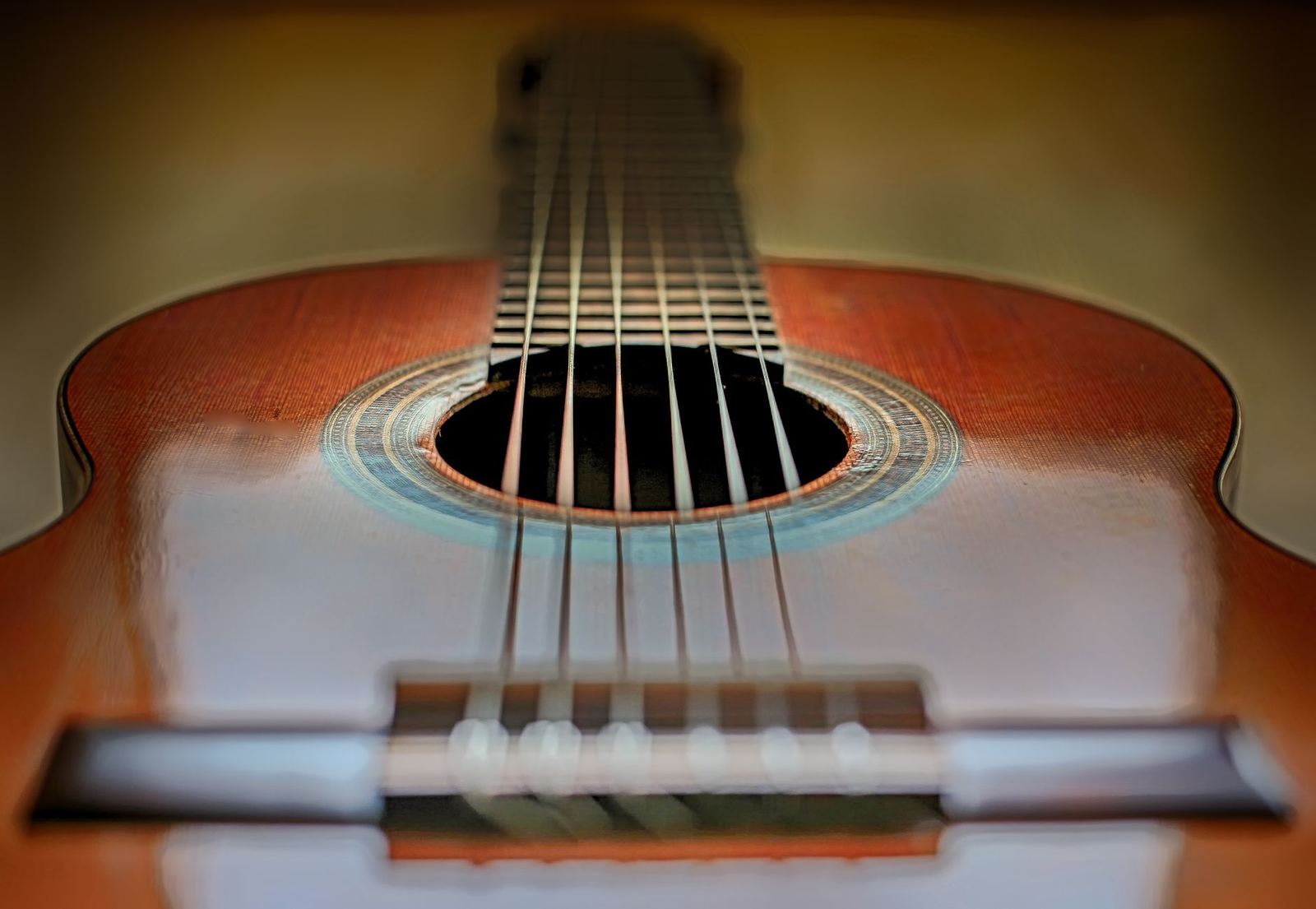
History of Rock says the sound came from Sam Phillips’ Sun Studios in Memphis, where he recorded small bands with slapping string bass, twanging lead guitar and acoustic rhythm guitar, with plenty of echo. The source also highlights exaggerated vocal effects and lyrics ranging from romance and motoring to science fiction.
That page also tells a famous story of the night it clicked. According to Scotty Moore, they were taking a break when Elvis began singing and jumping around, then Bill picked up the bass and started acting the fool too, and Moore joined in. The page says rockabilly was invented that night in Memphis, which is a legend as much as a documented fact, so treat it as part of the folklore.
Presley did not stay long. Phillips released five Presley recordings, and after eighteen months the singer left Sun and signed an exclusive contract with RCA Victor. His success as a country singer who performed rhythm and blues opened the door for other singers to seek commercial success.
For the full timeline, read our guide to rockabilly history.
Who made the first rockabilly records?
Presley is the best-known name, but many other performers contributed to rockabilly. The Tennessee Encyclopedia lists performers such as Carl Perkins, Jerry Lee Lewis, Johnny Cash, Warren Smith, Roy Orbison, Charlie Rich and Conway Twitty among those who followed.
History of Rock’s list of Sun artists also includes names that casual listeners may not know, such as Sonny Burgess, Ray Harris, Roland Janes, Hayden Thompson and Malcolm Yelvington. Digging into those lesser-known names is half the fun of the genre.
Many of these artists worked in the same small Memphis studio, so the records share a family resemblance. Some later drifted toward country, pop or straight rock and roll, which is one reason the label “rockabilly” gets applied loosely.
- Elvis Presley with Scotty Moore and Bill Black: the template trio.
- Carl Perkins: a songwriter and guitarist whose Sun records are a common starting point.
- Jerry Lee Lewis, Johnny Cash and others: Sun artists who pushed in piano-led, country and gospel directions.
- Lesser-known Sun acts: the deeper cuts where the raw sound is easiest to hear.
When you want somewhere to start listening, our list of the best rockabilly songs picks out the essentials.
The instruments that define the sound
Rockabilly is known for doing a lot with a little. Far Out Magazine describes homemade equipment and performers with limited formal training or technical skill as features of many early recordings. The result is raw and immediate, and it is part of why the music still feels exciting.
Guitar
The guitar carries the melody, the fills and the solos. In a small band there is nowhere to hide, so the lead player has to be both inventive and clean. Our page on rockabilly guitar style covers the licks and gear in detail.
Listen for how the lead line answers the vocal. It often fills the gaps between sung phrases, almost like a second singer.
Upright bass
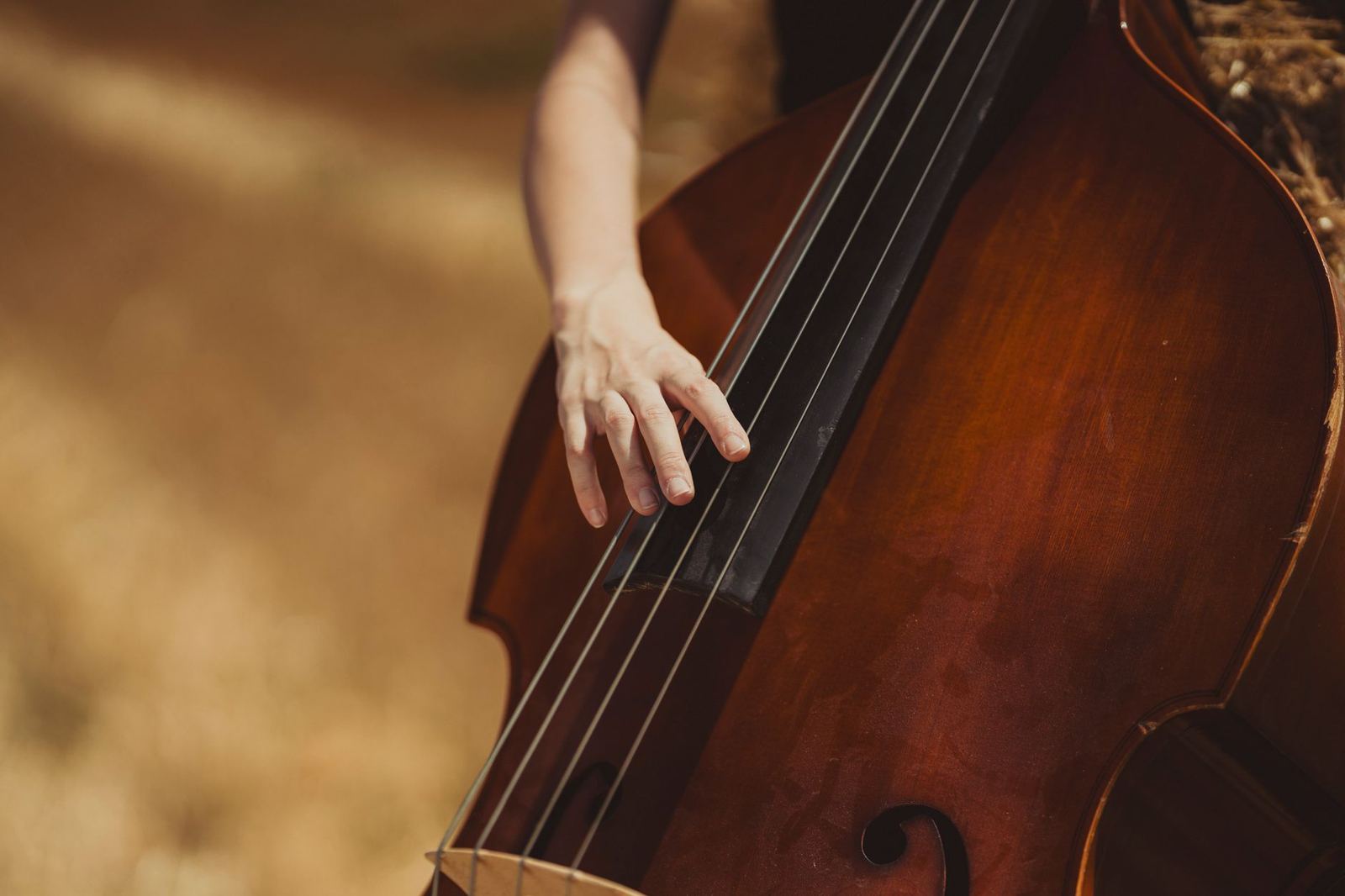
The stand-up bass is the engine. Instead of just plucking, the player pulls the string so it slaps against the fingerboard, which makes a percussive click. Learn the technique at slap bass rockabilly.
Because drums were sparse or missing on many early records, the bass doubles as the rhythm section. Try to follow the bass alone for one whole song and you will hear how much work it does.
Drums and rhythm
Early recordings often had very little drumming, and the bass kept time. Later bands added a small kit, played lightly so it supports rather than overwhelms the other instruments. Read more on rockabilly drumming.
How the parts fit together
Think of a rockabilly band as a conversation. The bass sets the pulse, the rhythm guitar fills in the harmony, the lead guitar adds colour, and the singer tells the story. Lead-guitar fills often leave space for the vocal while bass and rhythm guitar maintain the accompaniment.
That space is why the music feels so danceable. Each instrument has a clear job, so the groove stays obvious even on a noisy old recording. When you listen, try to name the job each instrument is doing at any given moment.
Vocals and echo
The singer is front and centre, with studio echo that makes the voice sound bouncy and slightly wild. Yelps, gulps, hiccups and stutters are part of the style. The echo effect is often called “slapback”, and it is one of the quickest ways to recognise a rockabilly record by ear.
Why the simple line-up matters
A band this small leaves every part exposed. If the bass drifts off the beat or the guitar gets sloppy, you hear it at once. That is why the best rockabilly players are so tight, even when the recording sounds rough.
It also explains why the music is so approachable for newcomers. With only a few instruments, you can pick each one out and follow it. Try using these recordings to practise distinguishing the rhythm section from the lead instrument.
The small size also shaped the live scene. A trio or quartet can play in a tiny bar, a dance hall or a living room, and the music still works.
How is rockabilly different from other genres?
People often use “rockabilly” and “rock and roll” interchangeably. Far Out Magazine says that, contrary to popular belief, rockabilly is not merely another term for early rock ‘n’ roll.
The easiest way to hear the difference is to listen for the country roots. Rockabilly foregrounds country influences within rock and roll; band size and recording polish alone do not distinguish the styles. Our comparison of rockabilly vs rock and roll goes through examples side by side.
Another frequent mix-up is with its later, darker cousin. The two share the upright bass, but psychobilly adds punk speed and horror imagery. See psychobilly vs rockabilly for the full contrast.
A quick way to separate them while listening:
- If it sounds like a country band that discovered rhythm and blues, it is probably rockabilly.
- If the slap bass is racing at punk speed with dark lyrics, you may be hearing psychobilly.
What to do next
Once you can recognise the sound, choose a direction. If you like the playing, study the instruments. If you like the story, follow the history. If you like the atmosphere, look at the fashion and the live scene. Rockabilly rewards curiosity in every direction.
Keep a simple notebook of tracks you enjoy and what you noticed in each. After a few weeks you will see patterns, such as which artists you return to and which instruments catch your attention first. That personal map is more useful than any rigid list.
Common beginner misunderstandings
A few ideas trip up newcomers. Clearing them up early makes the genre easier to enjoy.
- “It is all Elvis.” Presley is central to the story, but the Tennessee Encyclopedia and History of Rock both list many other performers who shaped the sound.
- “It is just oldies.” The records are old, but the style keeps being played, copied and reinvented by new bands.
- “It needs a big setup.” The opposite is true. The sound grew out of small bands and simple gear.
- “Everything from the era counts.” Not every early rock and roll record is rockabilly. The country twang, slap bass and echo are the clues.
How to start listening
You do not need a huge collection. A handful of well-chosen records will teach your ear what to listen for. Begin with the Sun era, then move forward.
- Start with early Presley recordings made with Moore and Black, the blueprint for the sound.
- Move to Carl Perkins and the other Sun artists named above.
- Listen for the slap bass and the echo on each track, and note which instrument drives the song.
- Explore compilations and reissues, which gather many lesser-known artists in one place.
- Finish with modern bands who keep the style alive.
Far Out Magazine says rockabilly has experienced numerous resurgences and renaissances since its 1950s heyday. History of Rock, by contrast, says the original rockabilly style ended with the fifties, so it helps to think of the original wave and the later revivals as two chapters of one story.
Far Out Magazine also points to the genre booming in the modern age, particularly in Spain and other parts of mainland Europe, with record labels like Sleazy Records. You can meet current acts through our list of rockabilly bands today.
A simple first-week listening plan
If you like structure, spread your listening out over a few sessions. Each one has a single goal, so you never feel overwhelmed.
- Session one, the sound: play a classic Sun-era track and simply notice the echo on the voice.
- Session two, the bass: replay it and follow only the slapping upright bass.
- Session three, the guitar: listen to how the lead guitar fills the gaps around the singer.
- Session four, the songs: read the lyrics and spot the themes of girls, cars and dancing.
- Session five, the revival: try a modern band and compare it with what you heard first.
By the end, you will have a working ear for the genre, and you will know which parts of it you like best. From there, our other guides can take you deeper into whichever side interests you most.
Listening tips for beginners
- Use good headphones for your first listen so you can pick out the bass slap and the echo.
- Replay one song several times, focusing on a different instrument on each pass.
- Compare an original Sun-era track with a modern band’s take and notice what stays the same.
- Do not worry about rough edges. Rawness is part of the appeal.
Rockabilly beyond the music
Rockabilly is also a culture. Far Out Magazine mentions the “slicked-back hair, Chevrolets, and stand-up basses” that people associate with the early rock and roll era, and fans today often borrow that look.
The magazine suggests that rockabilly’s visual identity appeals across generations. That helps explain why new generations keep finding it, even when the original records are many decades old.
If the look appeals to you, explore rockabilly style. It is a good companion to the music, but you can enjoy the records without ever picking up a pair of cuffed jeans.
This site is an independent educational project. It is not connected to any band, label or brand mentioned here, and the names appear only to explain the music.
Frequently asked questions
What does the word rockabilly mean?
Show answer
It blends “rock” with “hillbilly”, pointing to rock and roll’s beat and the country music of the South that fed it.
Who recorded the first rockabilly music?
Show answer
Sources tell the story differently. The Tennessee Encyclopedia describes how Presley, Scotty Moore, Bill Black and Sam Phillips combined styles in 1954 in a synthesis later labeled rockabilly.
Is rockabilly the same as rock and roll?
Show answer
No. Far Out Magazine says it is not merely another term for early rock ‘n’ roll. Rockabilly is a specific, country-leaning branch of it.
How many musicians play in a rockabilly band?
Show answer
History of Rock describes the style as typically using three to four musicians, with acoustic rhythm guitar, upright slap bass and electric lead guitar.
Is rockabilly still played today?
Show answer
Yes. Far Out Magazine points to the genre booming in the modern age, particularly in Spain and other parts of mainland Europe.