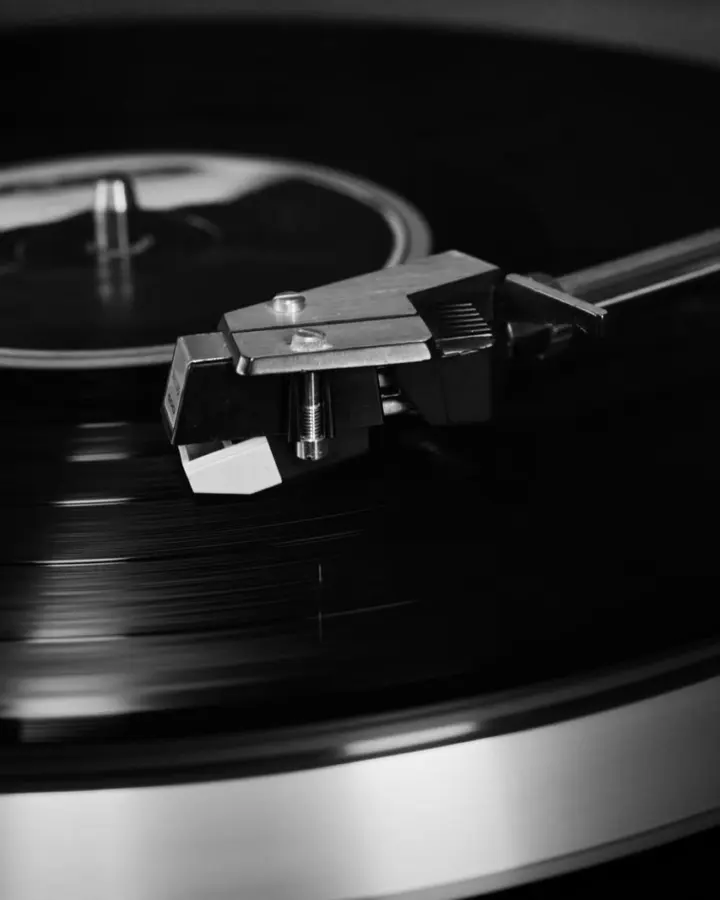

Wondering what makes rockabilly guitar style sound the way it does? A Scotty Moore-inspired starting point combines thumbpick-and-fingers picking, a bright electric guitar tone and short slapback echo.
This guide is part of our coverage of rockabilly music.
| Item | Value |
|---|---|
| Picking approach | Merle Travis/Chet Atkins-inspired thumb-pick and fingers technique |
| Echo effect | Slapback, a short delay from an Ampex tape machine |
| Scotty Moore’s EchoSonic amp power | 25 watts |
| EchoSonic purchase date | May 24, 1955 |
Figures come from the Scotty Moore site and Guitar.com; details can change or be revised, so check the sources, such as this technique page and the EchoSonic page, before you rely on them.
The core of rockabilly guitar style
Rockabilly guitar is a blend, not a single trick. One account of Scotty Moore’s playing describes old blues and R&B licks mixed with country picking and a handful of swing and jazz ideas.
That mix is why the style feels both rough and tidy. You get bluesy bends and country chord shapes in the same eight bars, often with a hint of jazz in the turnarounds.
Scotty Moore is the usual reference point, since he played behind Elvis Presley at Sun Studios. His documented approach makes a useful model for learning.
- Blues and R&B licks for attitude and bends.
- Country fingerpicking for the rolling, chordal feel.
- Swing and jazz touches for the turnarounds.
Thumbpick and fingers: the right-hand technique
The right hand does most of the work. Drawing on Travis and Atkins, Moore used his thumbpick and fingers for both chord-based passages and individual melodic runs.
The thumb keeps a steady bass pulse on the low strings while the fingers pick out chords, fills and melody. That gives one guitar the sound of a small band, which mattered in the stripped-down trios of the early records.
To practise it, try this order:
- Pick a simple twelve-bar blues shape with the thumb alone, alternating two bass strings in steady time.
- Add the first and second fingers on the higher strings, one note at a time.
- Combine them into short chord stabs with a bass note under each.
- Drop a single-note lick into the gap at the end of each line.
Go slowly. The feel comes from the thumb staying even while the fingers play around it.
Guitars and tone
There is no single required instrument. Moore’s famous Sun-era guitar was a Gibson ES-295; Guitar.com describes its resemblance to the ES-175 and notes its gold finish and P-90 pickups.
He had traded in a Telecaster for it, and later, according to the same source, moved to a Gibson L-5. So a hollowbody Gibson is as authentic a choice as a Fender, and many players pick whichever offers a clean, bright, slightly biting tone.
Keep your amp setting clean. For this exercise, focus on picking articulation, pickup tone and echo while keeping the amp clean.
Slapback echo: the sound of the records
Slapback is a single quick repeat that sounds like the note bouncing off a wall. According to Guitar.com, Sam Phillips produced the echo with Ampex tape equipment, and Moore also adopted slapback for live performances.
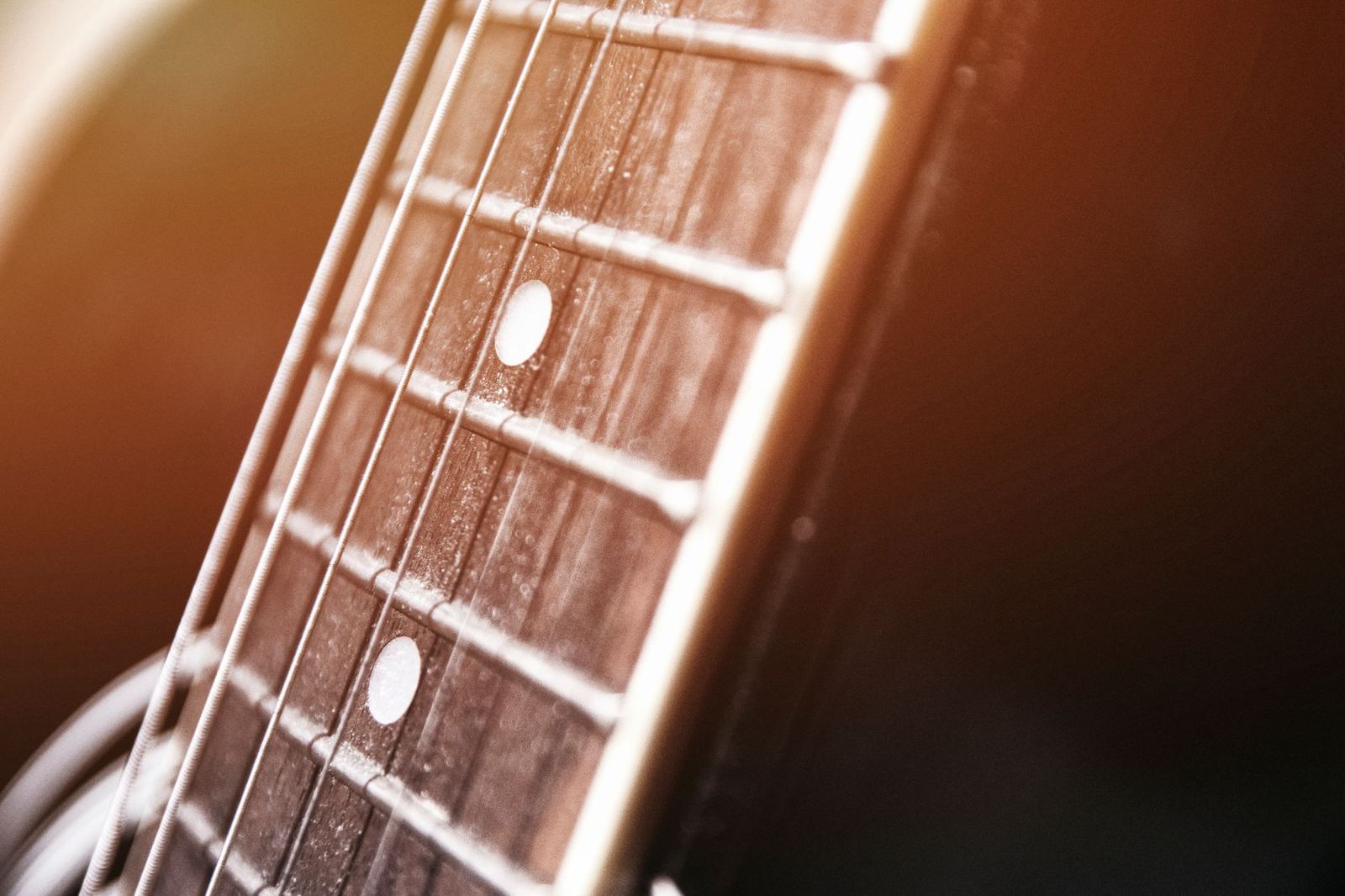
To take the sound on stage, Moore ordered an EchoSonic amp from Ray Butts. His site says he bought it on May 24, 1955, and that the 25 watt amp had a built-in tape delay that recreated the slapback of the Sun recordings. He first heard Chet Atkins using one on a record, then tracked down the builder.
Today you do not need vintage tape gear. Guitar.com notes that Echoplex-style units sound similar to Butts’ design, and that valve or solid-state tape-echo copies, or even a Roland Space Echo, can get you very close.
- Set a short repeat time, not a long ambient tail.
- Keep the repeats to one or two so the picking stays clear.
- Blend the echo low enough that the dry note still leads.
How rockabilly guitar sits with the rest of the band
The guitar shares space with the bass, which provides the rhythm drive. If you are learning the full sound, read about slap bass rockabilly so you know what your picking has to lock into.
Because early rockabilly was a small-group sound, the guitarist covers rhythm and lead in turn. Leave gaps for the vocal, then step in with a lick when the singer breathes.
If you wonder where the line falls between this style and its harder-edged cousin, compare it with psychobilly vs rockabilly, where the guitar tone is typically more aggressive.
Common mistakes to avoid
Avoid filling every gap with notes. Rockabilly leaves space, and the gaps between notes are part of the sound, especially with an echo that fills them in for you.
- Too much echo: long, repeating tails turn a tight sound into mush.
- Too much gain: a clean tone shows off your picking and keeps the twang.
- Ignoring the thumb: if the bass pulse wanders, the whole groove wobbles.
- When practising this thumb-and-fingers exercise, keep both the bass and melody audible.
Record yourself against a metronome or a backing track. If the thumb pulse stays even and the licks land in the gaps, you are on the right track.
Listen for how licks are built, too. They are often short, answer the vocal line, and borrow from blues bends and country double-stops before resolving on a chord tone.
Learning by ear from the originals
The best teacher is the early recordings themselves. Slow them down, loop a single phrase and work out which notes the thumb plays and which the fingers play.
Because the style draws on country, blues and swing, it helps to listen beyond rockabilly. The same source that describes Moore’s playing names Merle Travis, Chet Atkins, Les Paul and Tal Farlow among the players he borrowed ideas from, so those artists are worth hearing for context.
Copying a phrase note for note teaches you the vocabulary. Then try changing one element, such as the rhythm or the final note, to make the lick your own.
A simple starting kit is enough to begin with:
- A hollowbody or twangy single-coil guitar with a clean, bright tone.
- A thumbpick, and a habit of using your fingers for the upper strings.
- A tape-style or digital slapback delay, set short.
- Records by Scotty Moore with Elvis Presley to copy phrasing by ear.
Start with the right-hand pattern before buying anything. A good thumb-and-fingers feel through a clean amp already sounds closer to the style than an expensive pedal does, and it costs nothing to practise.
Be patient with the coordination. Practise slowly to develop coordination, then increase the tempo gradually while keeping the pulse steady.
Frequently asked questions
Do I need a thumbpick for rockabilly guitar?
Show answer
Not strictly, but Scotty Moore used a thumb-pick and fingers technique, and it makes the steady bass-plus-melody feel easier to get.
Is slapback the same as reverb?
Show answer
No. Slapback is one short, distinct repeat, created in the studio by Sam Phillips with an Ampex tape machine. Reverb is a wash of many reflections.
Did Scotty Moore play a Telecaster?
Show answer
Guitar.com says he traded in a Telecaster for the Gibson ES-295 and stayed a Gibson player afterwards.
Can I get the echo without a vintage amp?
Show answer
Yes. Guitar.com says Echoplex-style units, tape-echo copies or a Roland Space Echo can come very close to the original design.