Wondering how to get that clacking, driving sound? Slap bass rockabilly comes down to an upright bass, a plucked string pulled to slap the fingerboard, and a steady backbeat you keep in time with the drummer.
This guide is part of our coverage of rockabilly music.
| Item | Value |
|---|---|
| Instrument most associated with the style | Upright double bass |
| Early model for Bill Black’s slap style | Fred Maddox of Maddox Brothers and Rose |
| Where the double bass technique developed | Jazz bands in New Orleans, early 1900s |
| Bill Black’s Rock and Roll Hall of Fame induction | April 4, 2009 |
| Top players’ advanced skill | Rapid triplet slaps over a walking bassline |
These facts come from Wikipedia’s slapping article and its Bill Black entry. Details can change or be revised, so check the sources before you rely on them.
What slap bass does in rockabilly
Slap bass can provide percussion as well as pitched notes, helping reinforce the backbeat.
Slapping and popping are ways to produce percussive sounds on a stringed instrument. On the upright, you pluck a note, then let the string rebound against the fingerboard with a sharp clack, and you smack the strings with your fingers between notes, usually in time with the snare drum.
The result is a bassline that walks and snaps at once. That mix of pitch and percussion is why the style sounds so urgent.
- The plucked note gives you the root, fifth or walking tone.
- The slap lands on the backbeat, in time with the snare.
- Your fretting hand keeps the notes short and clean.
Where the style came from
Wikipedia’s article on slapping traces double-bass slap to early-1900s New Orleans jazz, before its adoption in western swing and rockabilly. The technique subsequently helped shape rockabilly’s blend of blues and country music.
The best-known rockabilly name is Bill Black, who played behind Elvis Presley and Scotty Moore. Wikipedia’s Bill Black entry says he modelled his slap technique on one of his idols, Fred Maddox, of Maddox Brothers and Rose.
The same entry lists Black on early Presley recordings including “Good Rockin’ Tonight”, “Heartbreak Hotel”, “Mystery Train”, “That’s All Right” and “Hound Dog”. Listening to those tracks with your attention on the bass is the quickest lesson there is. For more listening, see our list of the best rockabilly songs.
Basic technique to practise first
Start slowly, with a metronome, and build the sound in stages. Rushing the slap is the most common way to lose the groove.
- Walk first. Play a simple walking line of notes over a simple blues pattern until it feels easy, with even tone and length.
- Add the slap on the backbeat. Keep the bass notes steady and add a separate finger slap against the strings on the backbeat between notes.
- Keep the pulse. Count out loud and let the slap land with the snare, or with your own foot if you have no drummer.
- Mute between hits. Control note length by muting when needed, including when playing open strings.
- Speed up gradually. Raise the tempo only when the pattern stays clean at the current one.
Expect sore fingertips at first. Calluses build with regular short sessions, which beat a long, tiring one.
Going further: triplets and showmanship
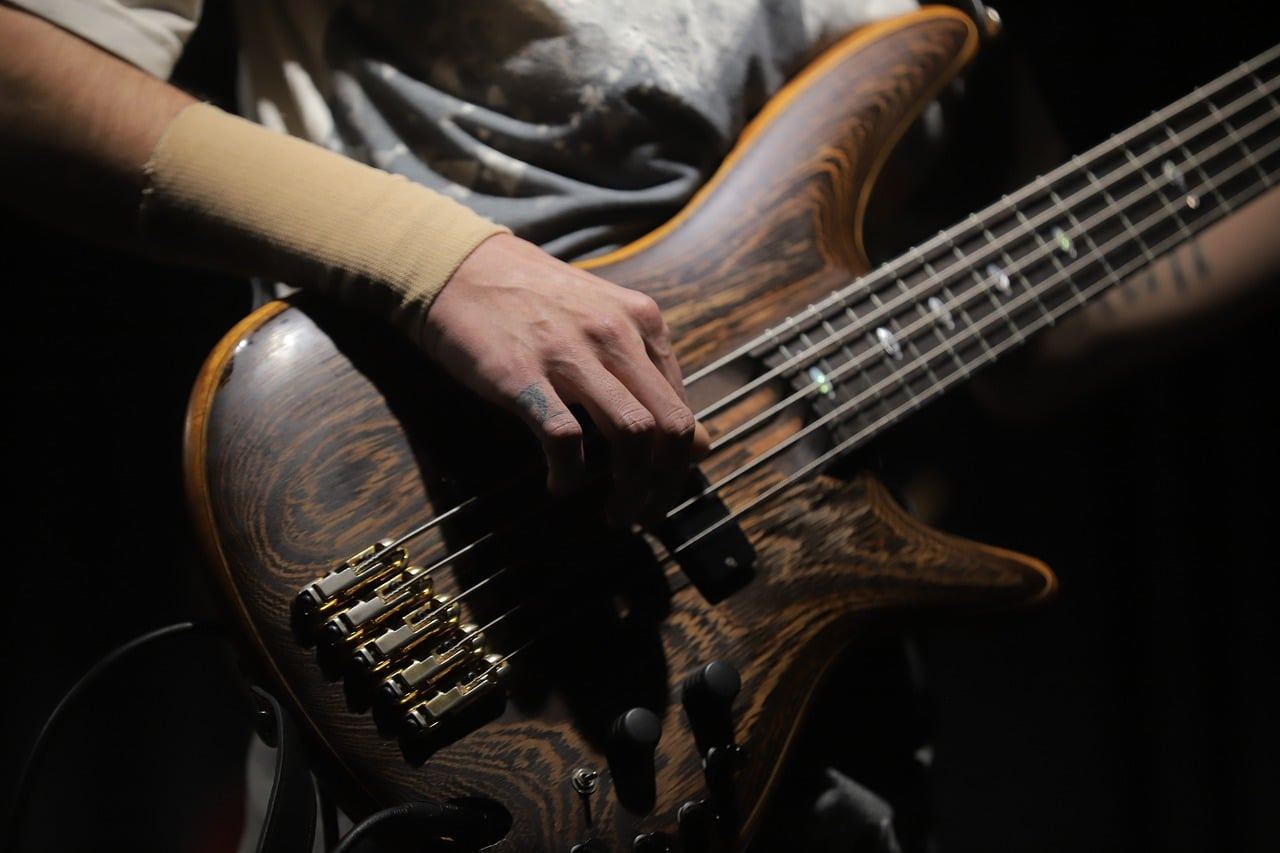
The same Wikipedia article says the top rockabilly and psychobilly bassists can perform rapid triplet slaps while they play a walking bassline. Treat that as a long-term goal rather than a starting point.
Once your basic pattern is solid, you can add ghost slaps between the main hits, which are quieter and fill in the gaps. Keep them light so the main backbeat still stands out.
Showmanship is part of the tradition too. Maddox also influenced Black’s comic stage performances.
Slap bass remains in use today. The slapping article names modern players including Kim Nekroman of Nekromantix, Geoff Kresge of Tiger Army, Scott Owen of The Living End and Jimbo Wallace of The Reverend Horton Heat.
Playing with the rest of the band
Slap bass sits between rhythm and lead. Your pulse has to leave room for the guitarist, whose twangy runs fill the top of the sound, as covered in our guide to rockabilly guitar style.
- Lock your slap with the snare or the guitarist’s backbeat chops.
- Stay out of the way during solos by simplifying the walking line.
- Use space: not every bar needs a fill.
- Listen to the vocalist and drop your volume under quiet verses.
Good slap playing is mostly restraint. A simple, relentless groove is what people remember.
A simple practice routine
Short, focused sessions work better than occasional marathons. Aim for a routine you can repeat every day, and record yourself so you can hear whether the slap really sits with the beat.
- Warm up with slow walking notes, listening for even volume.
- Add the slap and play along with a metronome or a drum loop.
- Play along with a recording of an early rockabilly track, matching the clack to the snare.
- Finish by playing the pattern at a comfortable tempo with no mistakes, so you end on a good feel.
When you record, listen for rushed slaps and notes that ring too long. Focus on one problem at a time and compare recordings to track your progress.
Playing along with records is also the best way to absorb the style. Notice how the bass stays simple and loud in the mix, and how much of the energy comes from the slap itself rather than from complicated notes.
Upright or electric bass?
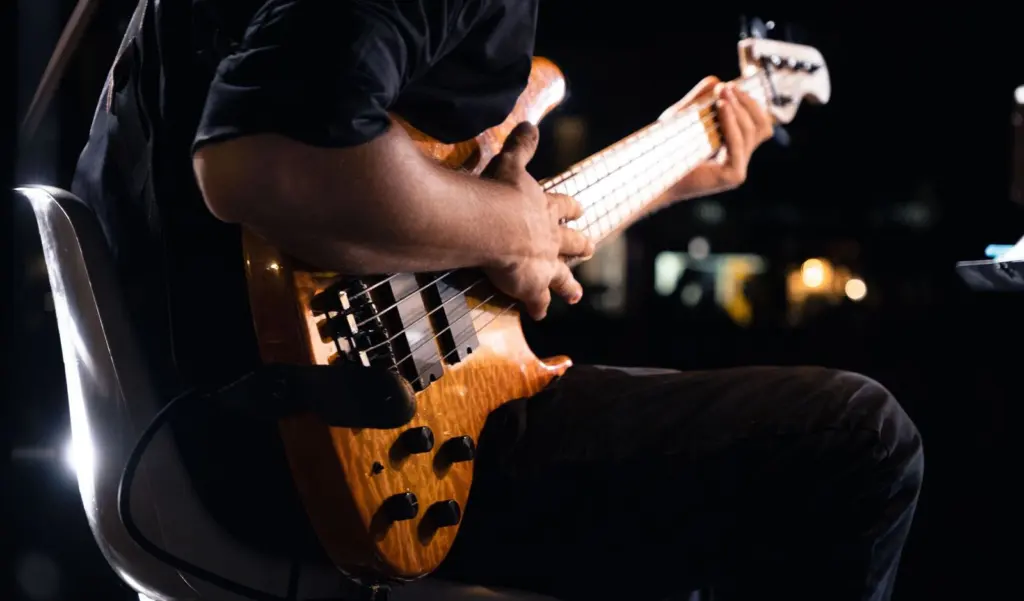
The upright bass provides the classic rockabilly slap sound. The Wikipedia slapping article separately describes electric-bass slapping as a percussive technique used in funk, disco, soul, R&B, jazz, country and rock, and it sounds different from the clack of an upright.
If you only have an electric bass, you can still practise the rhythm and counting. The feel is not identical, so plan to move to an upright if the authentic sound matters to you.
Frequently asked questions
Do I need an upright bass to play slap bass rockabilly?
Show answer
The classic sound comes from an upright, and the double bass is where the technique developed. You can practise the rhythm on an electric bass, but the tone and feel will differ.
Who made slap bass famous in rockabilly?
Show answer
Bill Black, who played with Elvis Presley and Scotty Moore, is the name most often cited. He modelled his style on Fred Maddox, and he was inducted into the Rock and Roll Hall of Fame on April 4, 2009.
Where does the slap go in the bar?
Show answer
It usually lands on the backbeat, in time with the snare drum. Practise that pattern slowly with a metronome before you add speed.
Is slap bass hard to learn?
Show answer
The basic pattern is approachable, but speed and control take time. Advanced skills such as rapid triplet slaps over a walking line are what separate the top players.