
Wondering whether anyone still plays this music live? Rockabilly bands today are very much out there, from long-running Texas trios to acts on festival stages. Here is where to start listening.
This guide is part of our wider look at rockabilly music.
| Item | Value |
|---|---|
| The Reverend Horton Heat, years active | 1985 to present |
| Reverend Horton Heat debut album | Smoke ‘Em If You Got ‘Em (1990), on Sub Pop |
| Reverend Horton Heat home city | Dallas, Texas |
| Viva Las Vegas Rockabilly Weekend, edition | 29th year, in April |
| Viva Las Vegas, bands booked | Over 40 bands |
Figures come from Wikipedia’s Reverend Horton Heat page and a Vegas 411 festival report. Line-ups and dates change, so check the source before you rely on them.
What counts as a rockabilly band in the present day?
A modern rockabilly band usually keeps the classic core: an upright or slap bass, a twangy hollow-body or Telecaster-style guitar, and a drummer who keeps things lean. Many add a lead singer with plenty of attitude and a stage show built on energy.
The instrumentation is deliberately small. A trio or quartet can fill a club, which is one reason the style survives so well on small stages and in touring vans.
Beyond that, the boundaries are loose. Some groups stay close to 1950s Sun-era recordings, while others blend in punk, country or swing.
That variety is useful when you are exploring. It means there is likely a version of the sound that suits your taste, whether you like it raw or polished.
- Traditionalists recreate the vintage sound, often with older-style gear.
- Revivalists keep the look as well as the sound, with the clothes, cars and dances to match.
- Hybrid bands mix rockabilly with country, swing or surf.
- Psychobilly acts push it toward punk, with faster tempos and darker themes.
The Reverend Horton Heat: a Dallas standard-bearer
If you want one name to start with, try The Reverend Horton Heat. Wikipedia lists the Dallas trio as active from 1985 to the present. One magazine reviewer called frontman Jim Heath the “godfather of modern rockabilly and psychobilly”, according to the same Wikipedia entry.
Their sound draws on 1950s country, surf, punk, big band, swing and rockabilly standards. That mix is a good picture of how the genre has stretched without losing its backbone.
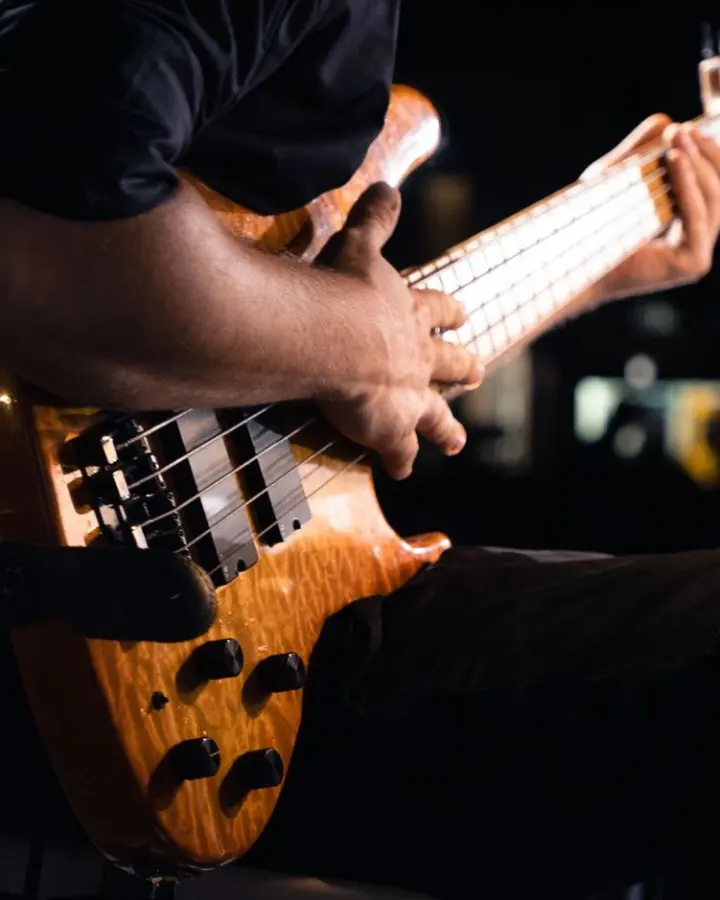
Bassist Jimbo Wallace is known for a slap bass technique, the percussive, clicking style that gives the music its bounce. The band signed with Sub Pop and made its debut album, Smoke ‘Em If You Got ‘Em, in 1990.
Where to hear rockabilly bands today: festivals
Festivals are the fastest way to meet many acts at once. The Viva Las Vegas Rockabilly Weekend was set to mark its 29th year in April, according to a January 2026 report, and Vegas 411 described it as the longest-running music festival in Las Vegas.
The same Vegas 411 report reports that more than 40 bands were booked, with western swing and doo-wop represented alongside rhythm & blues and rock ‘n’ roll. Big Sandy & The Flyrite Boys, Dale Watson and Jason D. Williams were named as headliners.
Notice that the billing is broader than rockabilly alone. Festivals like this treat rockabilly as one part of a wider vintage-rooted scene, so expect neighbouring styles on the same stage.
Going in person also changes how you hear the music. You see the upright bass being slapped, watch how the drummer keeps time with very little, and notice the crowd dancing, which is half the point of the genre.
If you cannot travel, look for smaller local nights. Check local listings for club evenings or car-and-music meets, and compare admission prices with festival tickets.
- Check each festival’s own site for the current line-up.
- Look for the support acts as well as the headliners, since new bands often appear lower on the poster.
- Note which bands appear on several bills, because they are usually the active touring acts.
How to find new bands you will like
Once you have a few names, a simple routine helps you widen the search.
- Start with a band you already enjoy and read who they tour with.
- Check festival line-up posters, which list many acts in one place.
- Listen to a full album rather than a single track, since rockabilly records are often short and punchy.
- See a small local show.
If you are still building a listening base, our list of the best rockabilly songs gives you the classics that modern bands are chasing.
Why the sound keeps finding new players
Rockabilly is approachable. A young band can begin by practising straightforward rockabilly songs together.
It also travels well across genres. The Reverend Horton Heat’s own influences, listed on Wikipedia, run from country and surf to punk and big band, which shows how easily new players can add their own flavour.
That blending explains why today’s scene is broad rather than narrow. A listener who starts with a punk-leaning trio can end up at a country-flavoured honky-tonk set a few weeks later.
Signs a band is carrying the tradition forward
- The bass is slapped, not just plucked.
- Songs stay short and keep a steady, driving beat.
- The guitar sound is bright, clean and full of echo.
- The band performs live often, since the music is made for a dance floor.
What to listen for in a live set
Rockabilly is a rhythm music first, so listen to how the bass and drums lock together. A good rhythm section sounds relaxed but never loose.
The drum kit is often stripped back, and a lot of the feel comes from restraint. Our guide to rockabilly drumming explains why simple patterns carry so much weight.
Then listen to the guitar. Short, sharp solos with a bit of slapback echo are a hallmark, and the best players say a lot in a few bars.
Getting the most from a rockabilly night out
A rockabilly gig is as much a social event as a concert. People dress up, dance, and chat between sets, so arrive early enough to find a spot near the dance floor.
Bring ear protection if you plan to stand near the speakers. Small rooms get loud, and you will enjoy the second set more if your ears are comfortable.
Talk to the musicians at the merchandise table if they are around. Independent bands often sell their own records and are glad to point you to other acts they admire.
- Follow the bands you like on their own pages for tour dates.
- Ask the venue which local acts play there regularly.
- Buy a record or two, since that income keeps small bands touring.
Over time you will recognise the same names across bills, and your own list of favourite acts will grow naturally.
Frequently asked questions
Is rockabilly still being made today?
Show answer
Yes. Bands such as The Reverend Horton Heat have been active since 1985, and a festival like Viva Las Vegas still booked over 40 bands for its 29th year, according to the sources above.
Is psychobilly the same as rockabilly?
Show answer
Not quite. Psychobilly borrows rockabilly’s instruments and rhythms but leans toward punk. Wikipedia files The Reverend Horton Heat under both genres.
Do modern bands use an upright bass?
Show answer
Many do, and slap-style bass playing is a signature of the genre. Jimbo Wallace of The Reverend Horton Heat is described as using a slap bass technique.
Where should a beginner start?
Show answer
Pick one album from a long-running band, then try a festival line-up to find others. Listening live, even at a small venue, shows you the style better than any playlist.