
Wondering how Carl Perkins’ Blue Suede Shoes came about? Perkins dated the song to December 1955 and recorded it two days later; accounts of its inspiration involve either a Johnny Cash suggestion or an encounter at a dance.
This story is one chapter of the wider rockabilly history of the Sun Records era.
| Item | Value |
|---|---|
| Writing date | December 17, 1955 |
| Recording date | December 19, 1955, for Sun Records |
| Song’s base | The nursery rhyme “One for the Money” |
| Cashbox chart run | 16 weeks, two of them at number two |
| Sales by mid-April | More than one million copies |
| Rights bought by Paul McCartney’s company | 2003 |
These details come from Wikipedia’s Blue Suede Shoes entry, which cites Perkins and others. Accounts of the story vary and figures can change, so check the source before you rely on them.
Where did the idea come from?
There are two origin stories, and both may be true. In Johnny Cash’s telling, he planted the seed in the fall of 1955 while he, Perkins, Elvis Presley and other Louisiana Hayride acts toured throughout the South.
Cash told Perkins about an airman he had met while serving in the military in Germany. The airman called his regulation shoes “blue suede shoes” and insisted that no one step on or scuff them. Cash encouraged Perkins to turn the footwear story into a song.
Perkins reportedly shrugged the idea off, asking how he could write a song about shoes.
The source identifies Cash: The Autobiography as the book containing Cash’s recollection. This was his second autobiography, giving readers a specific memoir to associate with his account of the idea rather than leaving the recollection without a named origin.
The scuffed shoes at the dance
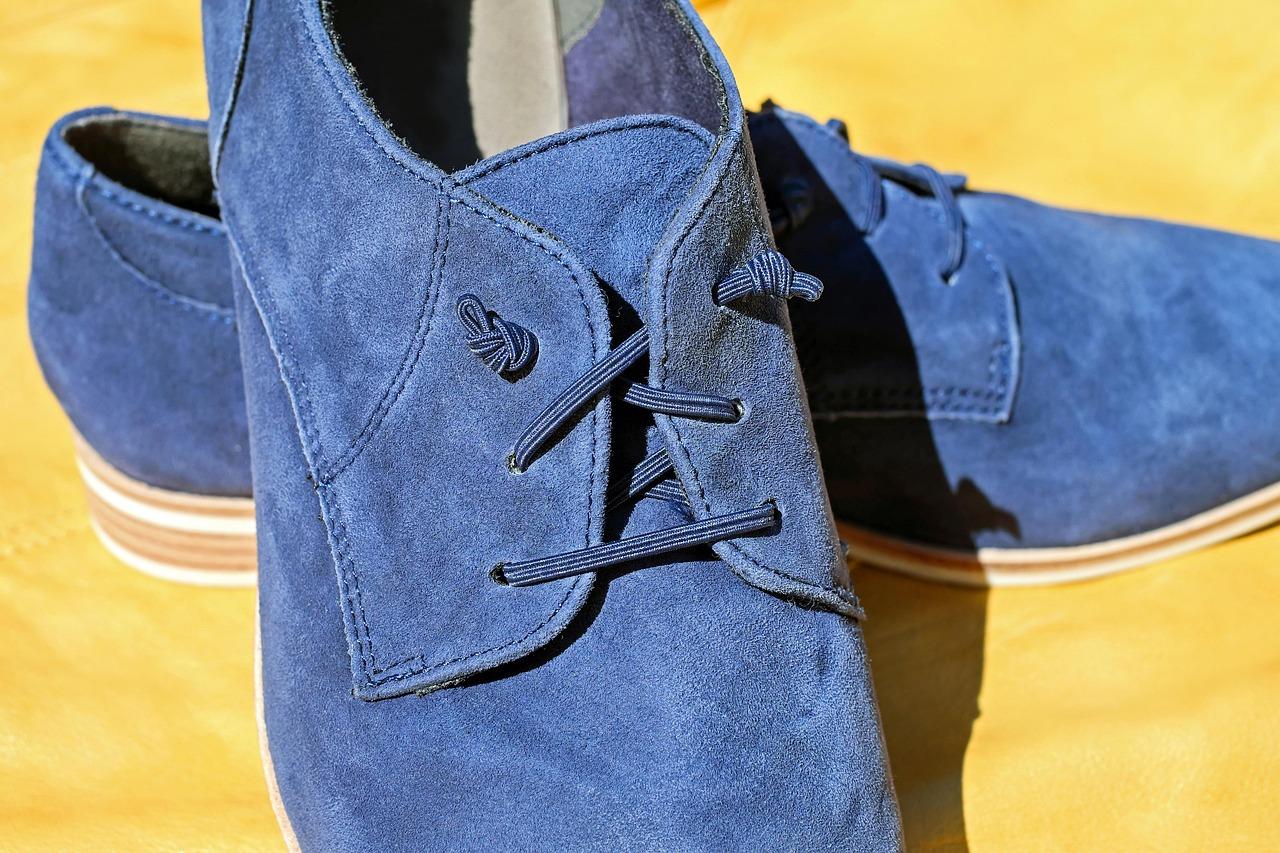
Another account places the inspiration at a dance Perkins played on October 21, 1955, where a couple caught his attention. Between songs he heard the boy scold his partner, “Uh-uh, don’t step on my suedes!”
Perkins noticed a scuff on the young man’s blue suede footwear. In this account, the young man’s priorities amused Perkins and inspired him to start writing that evening.
- In Cash’s account, he supplied the suggestion.
- In the dance account, the encounter inspired Perkins.
- Either account could explain the song’s inspiration.
The two accounts could be compatible, but their connection is uncertain.
Writing Carl Perkins’ Blue Suede Shoes on scrap paper
Perkins chose a familiar nursery rhyme as the frame, settling on “One for the Money”. He improvised words over an A chord played on his Les Paul.
His handwritten draft bore the misspelled title “Blue Swade”. Perkins dated the composition to December 17, 1955, followed by the Sun recording session on December 19.
Borrowing a rhyme every listener already knew was a smart shortcut. The opening lines feel instantly familiar, so the song hooks you before the guitar even gets going.
In the studio with Sam Phillips
Sun’s producer, Sam Phillips, convinced Perkins to change the first take’s lyric “go, boy, go” to “go, cat, go”. That small tweak gave the record its hepcat voice.
The band was a family affair. The personnel list names:
- Carl Perkins on lead vocals and electric lead guitar
- Jay Perkins on acoustic rhythm guitar
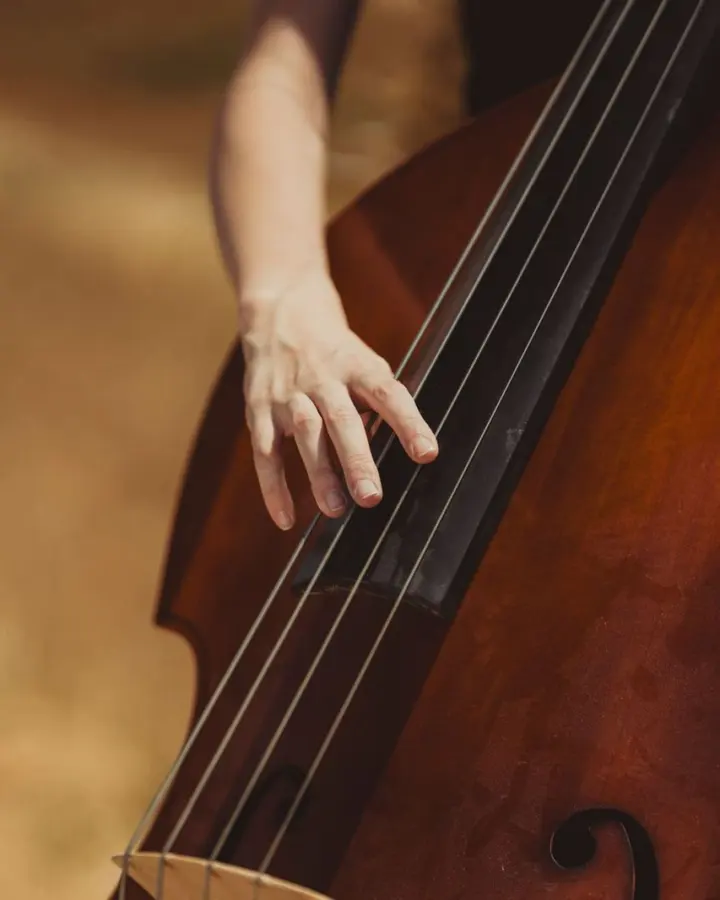
- Clayton Perkins on double bass
Alongside the listed Perkins brothers, W. S. Holland played drums on the recording. The same Sun studio shaped the elvis sun sessions, and a different rockabilly flavour arrived with gene vincent be-bop-a-lula.
Chart success and a million sales
The Cashbox run lasted 16 weeks, including a fortnight in second place. Sales exceeded a million by mid-April, bringing Perkins a gold record.
Its million-selling success was unprecedented for a country song that also reached the pop and R&B charts. During Perkins’ recovery from an accident, the record topped most regional charts across country, pop and R&B.
Elvis’s version and the rights to the song
Elvis Presley recorded the song in 1956, at RCA Victor Studios on January 30, 1956. His version was released as a single on August 31, 1956, with “Tutti Frutti” on the B-side.
There is an album context too: the track opens Presley’s self-titled debut, Elvis Presley. Listeners approaching that album in sequence therefore encounter it at the outset. The source’s recording details identify RCA Victor as the label and credit Steve Sholes as producer, with rock and roll and rockabilly listed as its genres.
Phillips confirmed reports of an agreement with RCA producer Steve Sholes to delay Presley’s single while Perkins’ record remained successful.
The source also includes Moore’s account of Presley’s motivation: he described the recording as an effort to assist Perkins following his accident. That explanation should be read as Moore’s attributed account of why Presley took on the song.
Following Presley’s chart success, Perkins’ reputation as a songwriter overshadowed his reputation as a performer. Buddy Holly and Eddie Cochran were among the artists who later covered it.
Ownership has its own story. Phillips kept ownership, while the Presley contract sale gave Hill & Range a role representing the song. Ownership of Perkins’ Sun songs passed to him in 1977; MPL Communications, Paul McCartney’s company, purchased this song and other Perkins compositions in 2003.
Why Blue Suede Shoes still works as a rockabilly lesson
The song is a handy case study in how rockabilly gets made. It combines a vivid detail with a familiar nursery-rhyme opening.
Perkins scribbled on scrap paper and misspelled his own title.
If you want to hear the idea at work, listen for these things:
- The nursery rhyme count-in that opens the lyric.
- The electric lead guitar riding over acoustic rhythm guitar.
- The double bass underneath.
- The playful warning about stepping on the singer’s shoes.
Then compare it with Presley’s version. The two records share the same words and the same attitude, but they sound different, because the players and the studios were different. Hearing both side by side is one of the quickest ways to understand how one song could belong to two artists at once.
The performance history also includes Paul McCartney, Blake Shelton and Post Malone. The source names these artists as performers of the song; that wording does not establish a studio recording by each. For readers following its later life, these names extend the trail of performances.
The song also shows how a single record can travel. After its recording at Sun, the song crossed over from country to rhythm and blues and pop, and ended up covered by Buddy Holly, Eddie Cochran and many others. That path is the story of rockabilly in miniature.
Frequently asked questions
Who suggested the song to Carl Perkins?
Show answer
Johnny Cash recalled planting the seed in the fall of 1955 and suggested Perkins write a song about the shoes.
When was Blue Suede Shoes recorded?
Show answer
Perkins said he wrote it on December 17, 1955, then recorded it two days later at Sun.
What nursery rhyme is it based on?
Show answer
Perkins settled on “One for the Money” as the basis of the song.
Did Elvis release it as a single?
Show answer
Yes, on August 31, 1956, but RCA Victor’s Steve Sholes had agreed to hold it back while Perkins’ release was hot.